Stories
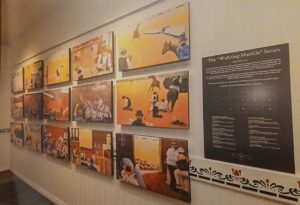
The Matilda Series, a display at the Australian Workers Heritage Centre at Barcaldine, Queensland is a body of works painted by Ross Bell in the 1990s. It depicts the turmoil of the 1894 shearers strike which resulted in the death of one of the shearers. Some say, it was the inspiration for Australia’s best-known song, Waltzing Matilda.
Chasing the Folklore
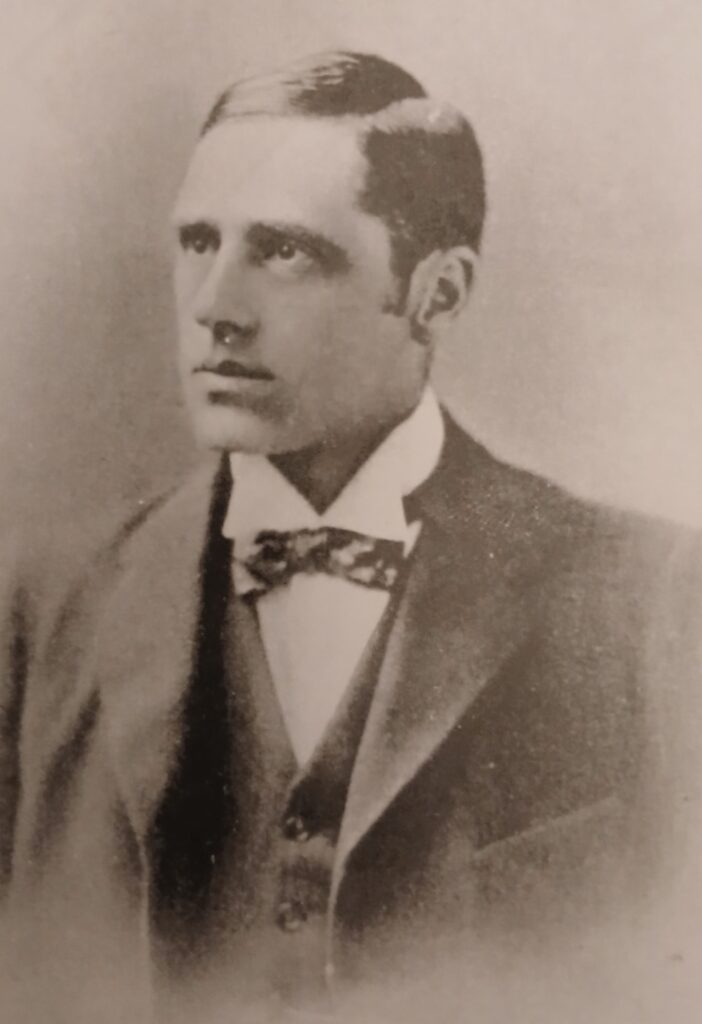
I marched in the 2026 May Day celebrations at Barcaldine, where folklore says the first union May Day marches happened during the shearers’ strike of 1891. Keen to chase the trail of more folklore, I then soaked up ‘The Matilda Series’ display at the Australian Workers Heritage Centre asking, was Waltzing Matilda, written by Banjo Paterson, about the shearers strike?
Was the swagman a shearer? Was the squatter Ewan Macpherson who owned the Dagworth Sheep Station? Were the troopers, one-two-three, the Macpherson sons? And did the swagman or shearer, jump into the water hole to escape them and then drown?
It is factual that Waltzing Matilda was written when Banjo Paterson was visiting the Dagworth Station. And it is factual that the striking shearers turned up at the station in September 1894 where there was a shoot-out as the shearers tried to burn down the shearing shed.
The burnt shed was visible to Banjo Paterson at the time of his visit, and according to folklore, Bob Macpherson, who managed the station for his dad, told Banjo a number of stories, as they rode around the property. They included that a swaggie killed a jumbuck and then jumped into a water hole to escape capture where he drowned.
Bushman, author and historian, Richard Magoffin, wrote that Bob Macpherson went with three troopers to the shearers camp at Four Mile Water hole, near Winton, where a shearer, Samuel (Frenchy) Hoffmeister had died.
Frenchy is the only striking shearer known to have died after the burning of the shearing shed but, described by his mates as a bit mad, he shot himself through the mouth, so it wasn’t him that jumped into a billabong.
Folklore says that, around the dinner table, Bob Macpherson asked the station overseer, Jack Carter; “What did you see today, Jack?” and Jack replied; “Only a swaggie, waltzing Matida, Bob,” which meant carrying his swag. It’s said, Banjo Paterson was so taken with the phrase, he had to write something using it.
Richard Magoffin, claims Banjo, in his role as a lawyer, spent some time in the district, legally representing the striking shearers. However, other eminent historians have never found any evidence of him representing the shearers nor that Paterson was even in the district during those times.
Even so, it’s easy to picture Banjo’s fertile imagination putting all these things together and, in his mind, dropping them naturally into the melodies of the tune he was hearing Christina Macpherson play during his stay at Dagworth. Did he instinctively put some subtext into his poem?
Oh, the intrigue!
Banjo Paterson admired other writers such as Henry Lawson and Rudyard Kipling and in discussions with them about writing, he discovered that they constructed their poems and stories, like him, from bits and pieces that they’d picked up on their travels. Rarely, if ever, was something a story in its entirety.
Banjo said of two of his most famous poems Clancy of the Overflow and The Man from Snowy River, that many people claimed to be Clancy or the man from snowy river when, in fact, they were both fictional characters based on people he’d met along the way. So, it’s reasonable to assume Waltzing Matilda was never about a specific event such as the shearers strike but from a melting pot of bits and pieces in his memory.
Memories are fickle and are often filtered or shaped into what those remembering want them to be. Of all the stories about Waltzing Matilda recounted over the years, most are easily discounted or at least questioned. Stories handed down through the generations have altered or been twisted, even those by the families of Banjo and Christina. When Banjo and Christina, themselves, recounted those times through the years, their remembering had contradictions.
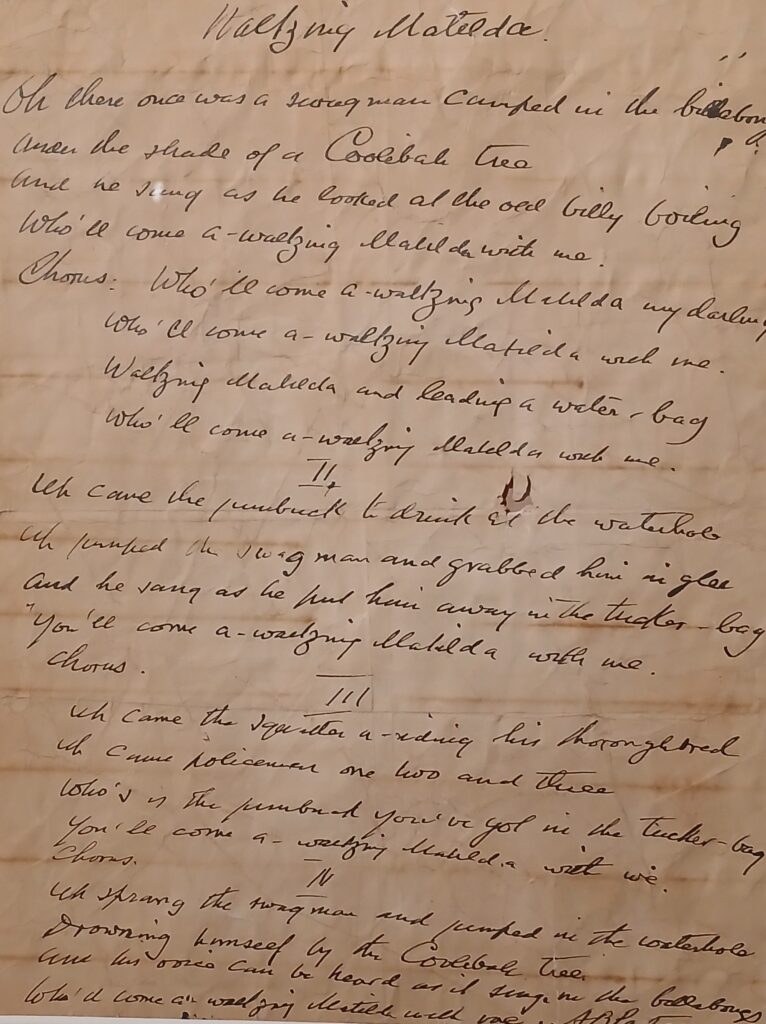
Then again, the Waltzing Matilda we know today is not exactly as Banjo Paterson and Christina Macpherson put it together. After Banjo sold the rights to Angus and Robinson which it then on-sold to a tea merchant James Inglis and Co. Ltd in 1903, Inglis employed Marie Cowan to change it slightly to a jingle to sell tea.
Banjo’s swagman wasn’t a jolly swagman nor was it his ghost that may be heard, but his voice. Have the subtle changes Marie Cowan made from Banjo’s original text, hidden or removed any subtext?
The truth may never be known but chasing the folklore is so much fun!
References:
Displays and exhibits at the Waltzing Matilda Centre; Winton; 2026
Forrest, Peter and Sheila; Banjo & Christina; published by Shady Tree; Darwin; 2008
The Matilda Series: the story behind “Waltzing Matilda”; (based on the writings of Richard Magoffin and the paintings of Ross Bell);Australian Workers Heritage Centre; Barcaldine; 2025